
]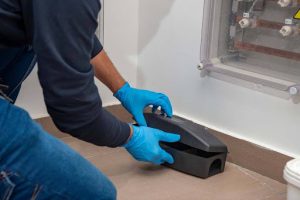 Rodents, particularly rats and mice, are more than just a nuisance. They can cause significant damage to your home, contaminate your food, and even pose serious health risks. If you suspect you might have a rodent infestation, it’s important to identify the signs early before the problem worsens. In this blog, we’ll cover the common indicators that rodents may be making themselves at home in your living space.
The most obvious sign of a rodent problem is actually seeing one. Mice and rats are nocturnal, so you’re more likely to spot them during the night or in the early morning hours when they’re most active. These animals tend to scurry quickly, so if you see one darting across your kitchen or hallway, it’s a clear sign that you may have a larger issue.
If you see one rodent, there’s likely more hiding in the walls or other hidden areas of your home.
Rodents leave behind droppings wherever they travel, and these can often be found near their nests, food sources, or points of entry. Mice droppings are small, about the size of a rice grain, while rat droppings are much larger, about the size of a raisin.
If you notice these signs, especially in the areas where food is stored, it’s time to take immediate action.
Rodents constantly gnaw to keep their teeth sharp and prevent them from growing too long. This behavior leads to noticeable damage in a variety of places:
If you discover gnaw marks or missing food, especially in your kitchen or pantry, it’s a clear sign that rodents are present.
Rodents often create nests to sleep in and raise their young. These nests are typically made from shredded materials like paper, insulation, or fabric. If you notice piles of shredded paper or cloth near baseboards, in attics, or behind furniture, there’s a good chance you have a rodent problem.
Keep an eye out for signs of nesting both inside and outside your home. If you spot these, it’s essential to act quickly.
Rodents are extremely active at night, and you may hear them in your walls or ceilings. Scratching, scurrying, and squeaking sounds are common signs of a rodent infestation.
If you hear these noises, particularly during the night when everything else is quiet, it’s likely a sign that rodents have made your home their own.
Pets, especially cats and dogs, have a keen sense of smell and can often detect rodents before humans do. If your pet is acting anxious, agitated, or overly focused on certain areas of your home, it could be an indication that rodents are nearby. Some pets may even catch and bring you “presents” in the form of dead rodents.
Keep an eye on your pet’s behavior; they might be more aware of the infestation than you are.
If you’ve noticed a strange, musty smell in your home, it could be due to a rodent infestation. A decaying rodent carcass in your walls, attic, or another hidden area can produce a strong odor that’s difficult to ignore.
If you detect these smells, take immediate steps to locate and address the infestation.
Rodents attract other pests, including fleas, ticks, and mites. These pests can spread diseases and cause further problems in your home. If you see an increase in insect activity, it could be because rodents are providing them with a food source.
If you notice an uptick in pests beyond rodents, it may be time to take a deeper look at the situation.
Rodents don’t just stay inside your home; they also leave signs of their presence outside. Look for:
By inspecting the perimeter of your home, you may identify potential entry points or tracks leading to hidden nests.
Rodents are more than just an inconvenience—they can pose serious health risks to you and your family. Some diseases carried by rodents, such as salmonella, hantavirus, and leptospirosis, can be transmitted through their droppings, urine, or even bites.
If you suspect a rodent infestation, it’s crucial to address the situation quickly to minimize these health risks.
Rodent infestations are not something to take lightly. If you’re noticing signs of a rodent infestation in your home, don’t wait for the problem to get worse. Let Premier Lawn & Pest be your trusted expert in rodent control, offering safe, effective, and humane solutions to keep your home free from pests. With years of experience and a commitment to quality service, our team can quickly identify the source of the issue and provide targeted treatments to eliminate rodents and prevent future infestations. If you spot any signs of rodents, contact us today and let us help restore peace and safety to your home.